Med Spa Consultation Intake Forms Before Appointments
Introduction
Med spa consultation intake forms are not just digital paperwork. Used well, they help a team understand what a prospect wants, what details need review, and which questions should be handled carefully before anyone nudges the person toward an appointment.
That matters because consultation interest is rarely one clean question. A prospect may ask about a treatment area, a product they saw online, a prior reaction, a timeline before an event, or whether they are even a good fit. If those details land in voicemail notes, scattered texts, or a staff member's memory, the follow-up conversation starts with archaeology. Nobody opened a med spa because they wanted to excavate inbox threads.
A practical intake workflow gives staff a calmer starting point. It does not replace a consultation, diagnose a condition, promise eligibility, or make safety decisions by form. It simply collects organized context so the right person can respond with the right next step.
Why Consultation Questions Need Structure Before Booking
People researching aesthetic treatments often need reassurance before they book. They want to know who oversees care, what the consultation includes, how their goals will be discussed, and whether certain questions need a trained provider. The American Society of Plastic Surgeons advises consumers to look for med spas that provide a thorough consultation before treatment covering medical history, goals, risks, expected results, and costs.
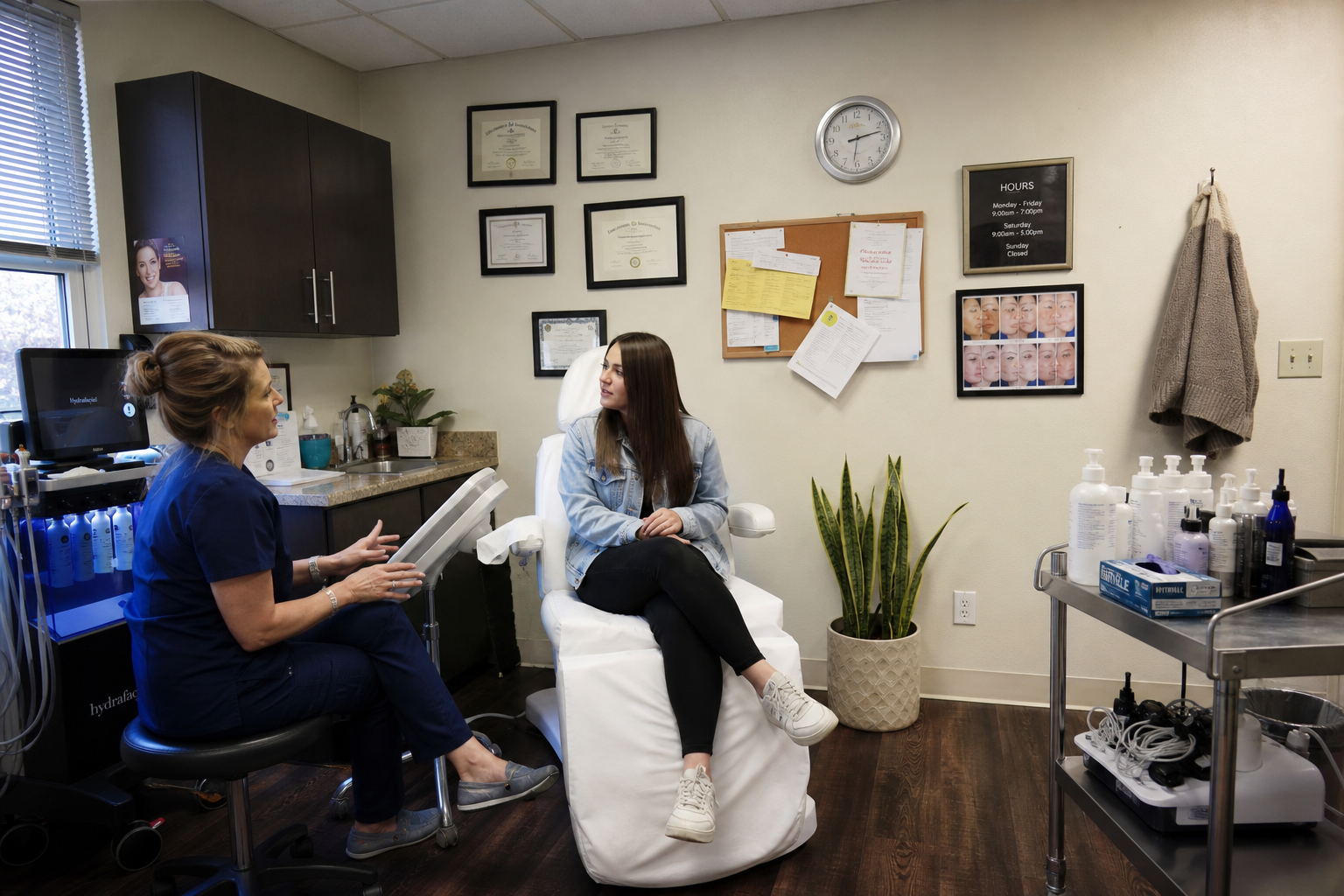
For the business, that means the first response should not sound like a rushed sales script. A structured intake path helps separate general education, appointment logistics, and topics that deserve provider review. That separation protects the quality of the conversation. It also keeps the front desk from improvising around sensitive questions when the safer answer is, "Let's have the clinical team review that before we schedule."
Prospect questions before treatment can still be answered warmly. The goal is to make common questions easier to collect and route, not to turn every inquiry into a robot interview with better lighting.
What Med Spa Consultation Intake Forms Should Capture Early
Useful structured intake forms start with the details staff actually need for a better follow-up conversation. That usually includes treatment goals, areas of concern, timing expectations, prior services, current products, and communication preferences. It should also ask whether the person has questions about pricing, downtime, or consultation steps.
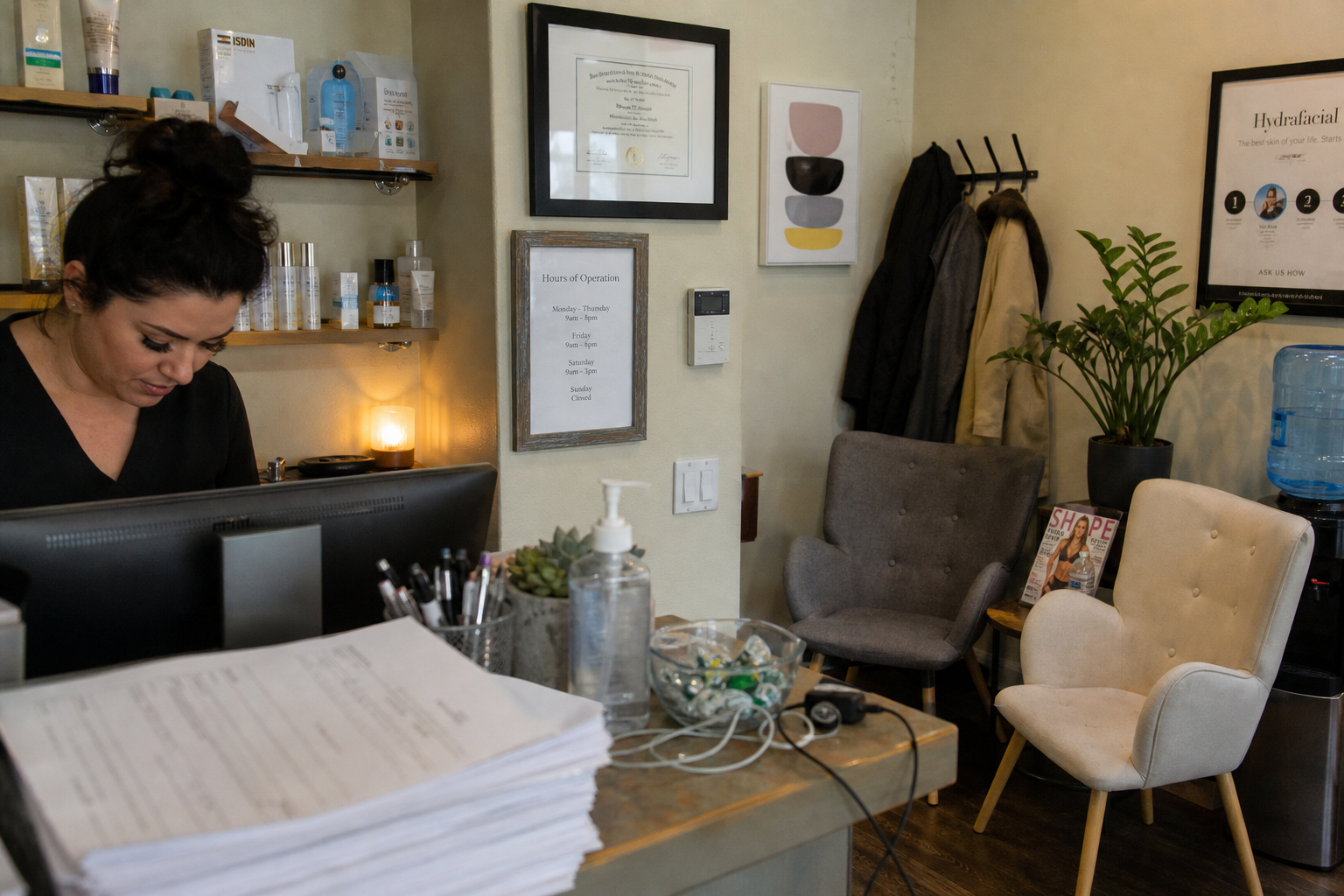
The form should also make room for context that may affect routing. A med spa might ask about allergies, medications, skin sensitivities, recent procedures, or other history that the team wants available before a consultation. Keep the wording plain and careful. The form is collecting information for review, not delivering a clinical answer.
Consent context belongs here too. That can include acknowledgment that the form is not medical advice and permission to contact the prospect through selected channels. It can also explain that a provider or trained staff member may need to review certain answers before booking. A clear form is much less mysterious than "someone will call you sometime," which is the operational equivalent of tossing a message into a decorative bowl.
How Forms Help Staff Respond More Professionally
When staff can see the prospect's goals and concerns before making contact, follow-up gets more useful. Instead of asking the same opening questions from scratch, the team can confirm the submitted details, clarify anything vague, and explain the next appropriate step.
That also helps with tone. Sensitive questions can be handled consistently, especially when the form flags which topics require escalation. A prospect who asks about injectables, product sourcing, contraindications, or prior reactions should not receive casual promises from the fastest typist on duty. They should receive a professional response that recognizes the question and routes it appropriately.
Good intake also supports booking follow-up without forcing every person into the same path. Some people are ready for a consultation. Some need education first. Some should be reviewed by a provider before scheduling. A form helps the team choose among those paths instead of treating every inquiry like the same checkbox.
Where Safety, Compliance, and Product Questions Fit
Med spa teams are operating in a category where trust depends on more than friendly front-desk communication. In April 2026, AmSpa covered an FDA warning letter involving a Texas medical spa and noted that product sourcing, documentation, inventory management, and oversight are part of the industry conversation. The FDA's warning letter to Pure Indulgence Aesthetics focused on prescription-drug supply-chain and documentation concerns tied to injectable products.
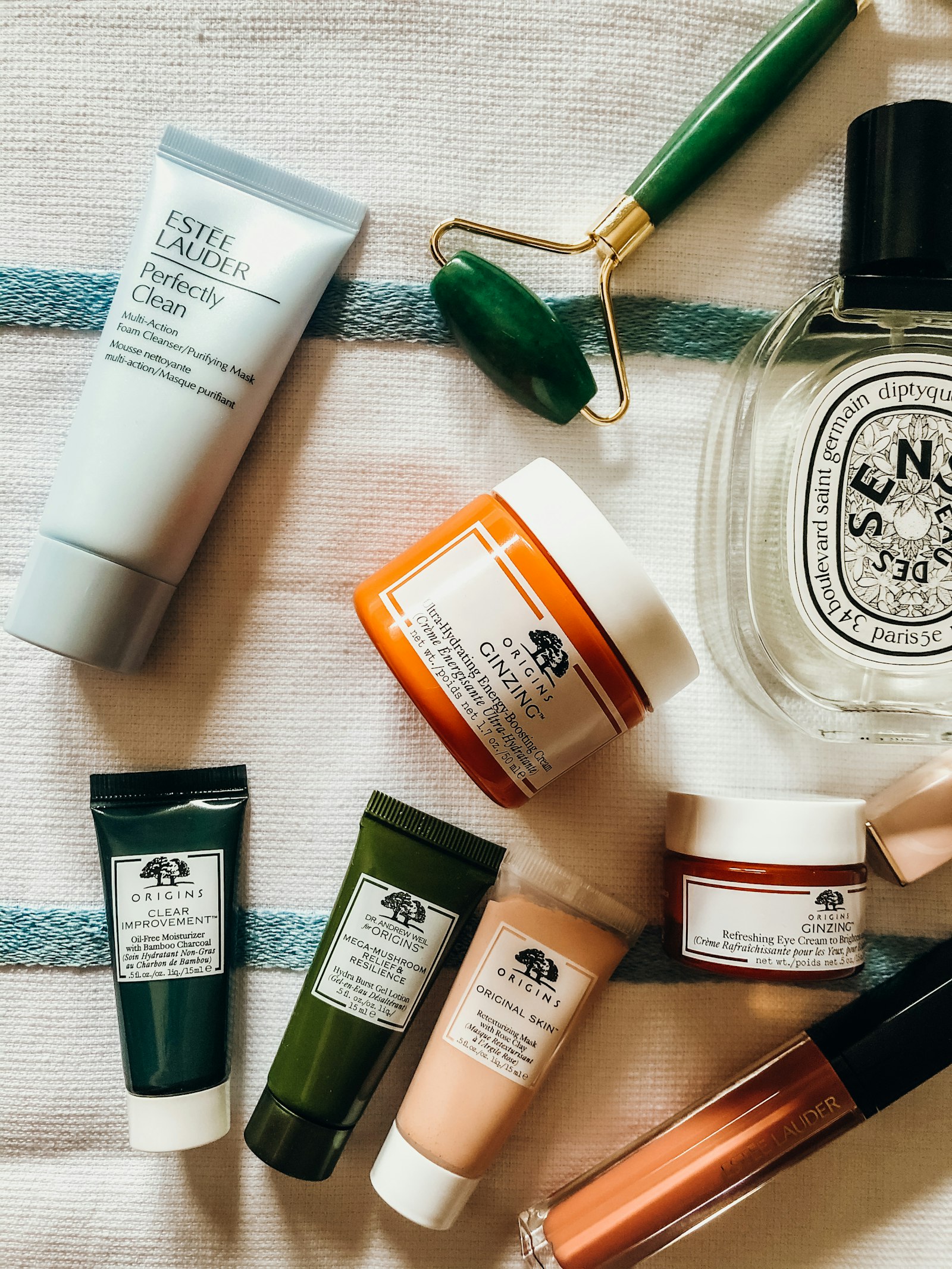
That does not mean an intake form creates compliance by itself. It does mean forms can help route sensitive issues more responsibly. Product sourcing questions, treatment eligibility questions, dispenser-related questions, and consent concerns should be flagged for the appropriate person. The form can ask, "Do you have product, medication, allergy, or prior-treatment details our team should review before scheduling?" It should not suggest that a treatment is safe, appropriate, or guaranteed based on a submitted answer.
This is where restraint matters. Intake copy should avoid medical promises, casual eligibility statements, and language that sounds like legal advice. The form's job is to gather context and trigger the right review path. The licensed or trained human still owns the judgment.
How to Connect Intake Forms to Booking and Follow-Up
An intake form becomes more valuable when it feeds the rest of the workflow. A completed submission should not sit in one inbox while calls live somewhere else and consultation notes live in a third place. That is how teams end up asking, "Did anyone call her back?" which is not a strategy. It is a weather report.
The clean version is simple: form submissions, calls, messages, consultation notes, and next actions should be visible in one organized record. Staff can then see whether the prospect needs education, provider review, scheduling, or a reminder.
Follow-up messages should reflect the intake path. If a question needs review, the response should say that clearly. If the person is ready to schedule, the message can guide them toward the right appointment type. If the prospect is early in research mode, the follow-up can share basic consultation expectations without pretending the form has already answered everything.
A Simple Intake Workflow for Med Spa Teams
A workable workflow does not need to be dramatic. It needs to be consistent.
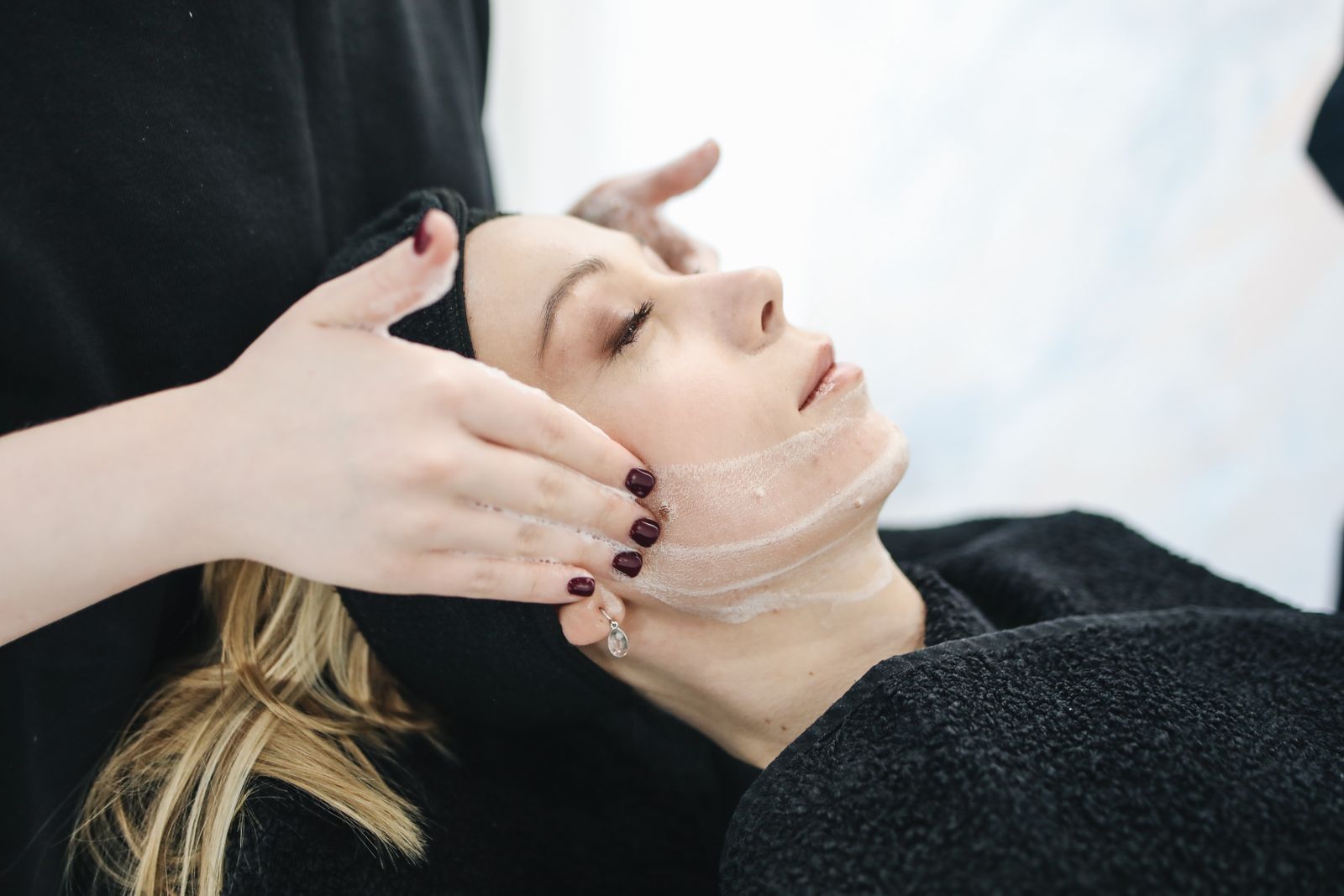
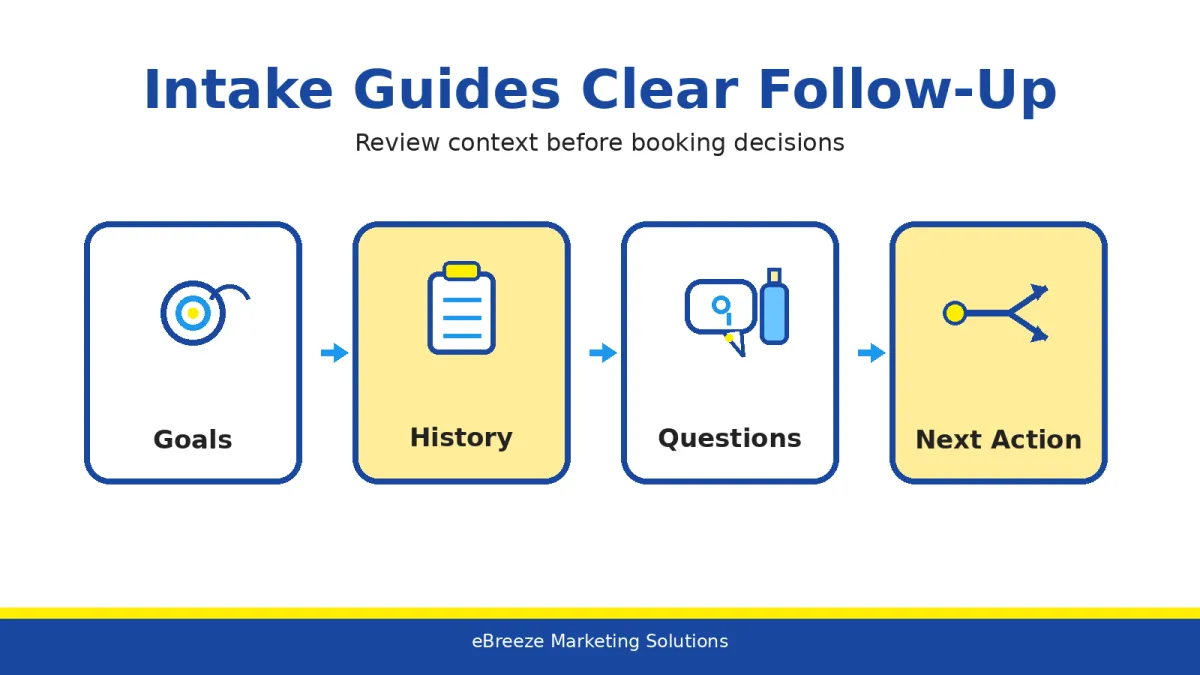
First, the prospect submits goals, treatment interests, history context, consent acknowledgments, and preferred contact method. Second, staff review the submission and decide whether the next step is education, escalation, or consultation scheduling. Third, the team records the next action so the prospect does not disappear between messages, sticky notes, and somebody's heroic memory.
This workflow also gives managers a better way to coach the team. If prospects often ask the same questions, the form can be improved. If certain topics regularly require provider review, routing rules can be tightened. If people submit forms but do not book, the follow-up path can be reviewed without guessing where the conversation stalled.
The real benefit is not a prettier form. It is a more disciplined consultation doorway. Prospects feel heard before booking. Staff respond with context. Sensitive questions get routed instead of winged. That is a much better first impression than a callback that begins, "So, what were you asking about again?"
FAQ
What should a med spa intake form ask?
It should collect treatment goals, areas of concern, prior services, relevant history, product questions, consent acknowledgments, communication preferences, and the preferred next step.
Why do med spas need intake forms before booking?
Forms help staff review goals and context before follow-up, route sensitive questions, and avoid starting every consultation inquiry from zero.
Can an intake form replace a med spa consultation?
No. A form can collect information for review, but it should not diagnose, determine eligibility, make treatment recommendations, or replace a professional consultation.
How can forms help with treatment safety questions?
Forms can flag questions about medications, allergies, products, prior reactions, or treatment fit so the right staff member or provider reviews them before scheduling decisions move forward.
How should med spas handle product or consent questions online?
Use the form to gather the question, acknowledge that review may be needed, and route it to the appropriate team member. Avoid guarantees, medical promises, or casual clinical answers.
How do intake forms connect to booking and appointments?
The form should feed the booking workflow so staff can choose the right next step: education, provider review, consultation scheduling, or follow-up.
Conclusion
When consultation questions involve goals, history, products, consent, and treatment expectations, scattered notes are not enough. eBreeze Marketing Solutions can help med spa teams build practical intake and follow-up workflows that collect better context before staff respond. See how eBreeze supports Med/Health Spas.
